 Ross Franklin
Pure Green
The food, the team that made it, and a founder ready to cover the order. A food business has something tangible to offer a food-sharing project, and it does not need a new initiative to offer it.
Charity & philanthropy
In November 2024, Josh Liljenquist, the Minnesota social media celebrity known online as Joshlilj, walked into a Pure Green and asked for twenty bowls for people in need. Founder Ross Franklin offered to pay for them.
Watch the original video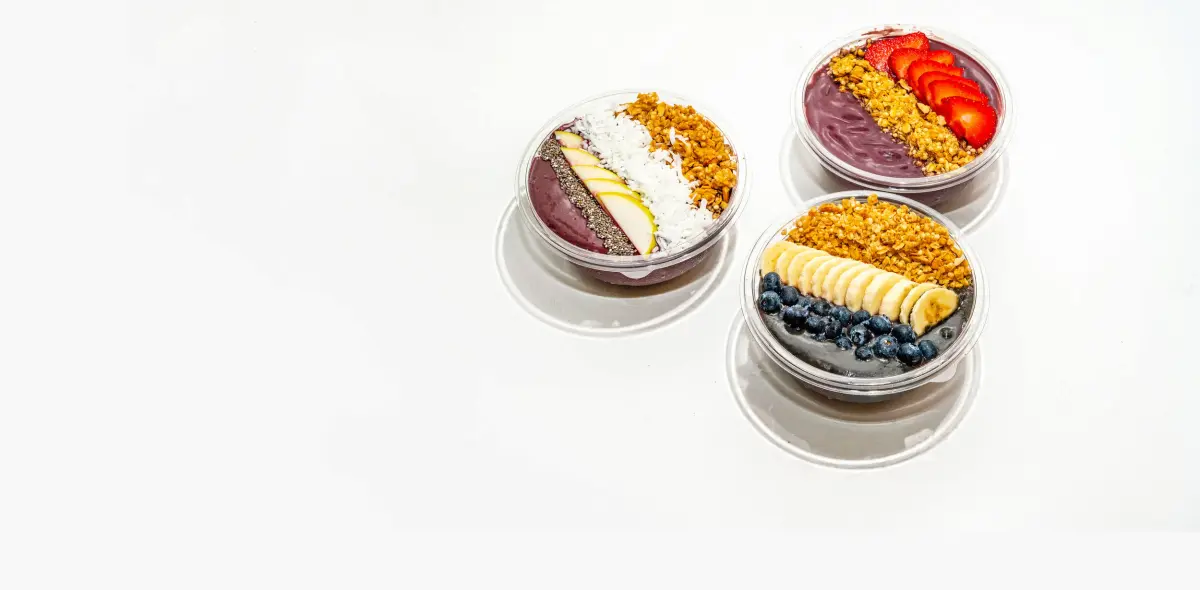
The moment
Josh was gathering food to share, and he came to the counter with a specific ask: twenty bowls. Ross offered to cover the order and bought the roughly 100 juices in the store's fridge as well.
Josh filmed the visit and published it on November 28, 2024. What makes it a useful example is its size. There was no new program and no campaign, only a clear need and a business that could meet it.
The founder
More than a decade in fitness convinced Ross that nutritious food should be convenient. He founded Pure Green in New York City in 2014, with a mission of building healthier communities.
A mission means more when it connects to a decision people can see. Pure Green already had what this moment called for: food, made by a team that knows its product.
Any company can ask the same question. What can we realistically offer, and where would it matter? The answer might be goods, time, a skill, or an introduction. The help should fit the need, and the need should never be bent to fit a promotional idea.
The collaboration
The food, the team that made it, and a founder ready to cover the order. A food business has something tangible to offer a food-sharing project, and it does not need a new initiative to offer it.
The request, and the video that let people see it. Josh grew up in Fairmont, Minnesota, and studied communications at Minnesota State University, Mankato. His work as Joshlilj pairs short-form storytelling with community support under Live to Love, a public mission rather than a nonprofit. His other projects and fundraisers are his own, separate from this story.
See Josh's community work →For founders
Considering something similar? These are takeaways drawn from the example, not a record of how this visit was planned.
Start with what would actually help and what the business can responsibly provide. For a food project, that means the order itself, the capacity to make it, and a workable handoff. A clear, limited commitment is more useful than an open-ended promise.
Agree on the contribution, the filming, and where the story will run. Keep any commercial arrangement separate from the help being offered. Viewers should not have to guess who supplied what.
Describe what happened at the level the record supports. A request is not a count of people served, and a video is not a sales report. Credit the people involved and link to the original source.
A collaboration does not have to be large. It needs a clear purpose, a useful contribution, and a truthful account. If this story brought you to Pure Green, you can explore the menu or find a location. If you run a business or an event, Ross speaks about founder leadership and company purpose.
Published November 2, 2026
Sources: Josh's original video (YouTube, November 28, 2024), the same story on Snapchat (November 29, 2024), Josh's project record, and Pure Green's account, which includes Ross's recollection. More about Josh is on his official website.
Prepared with Josh Liljenquist. This is a retrospective from the people involved, not independent press coverage. Twenty is the number of bowls requested, not a count of people served. Pure Green's other charitable programs are separate from this project.
← Back to the press kit