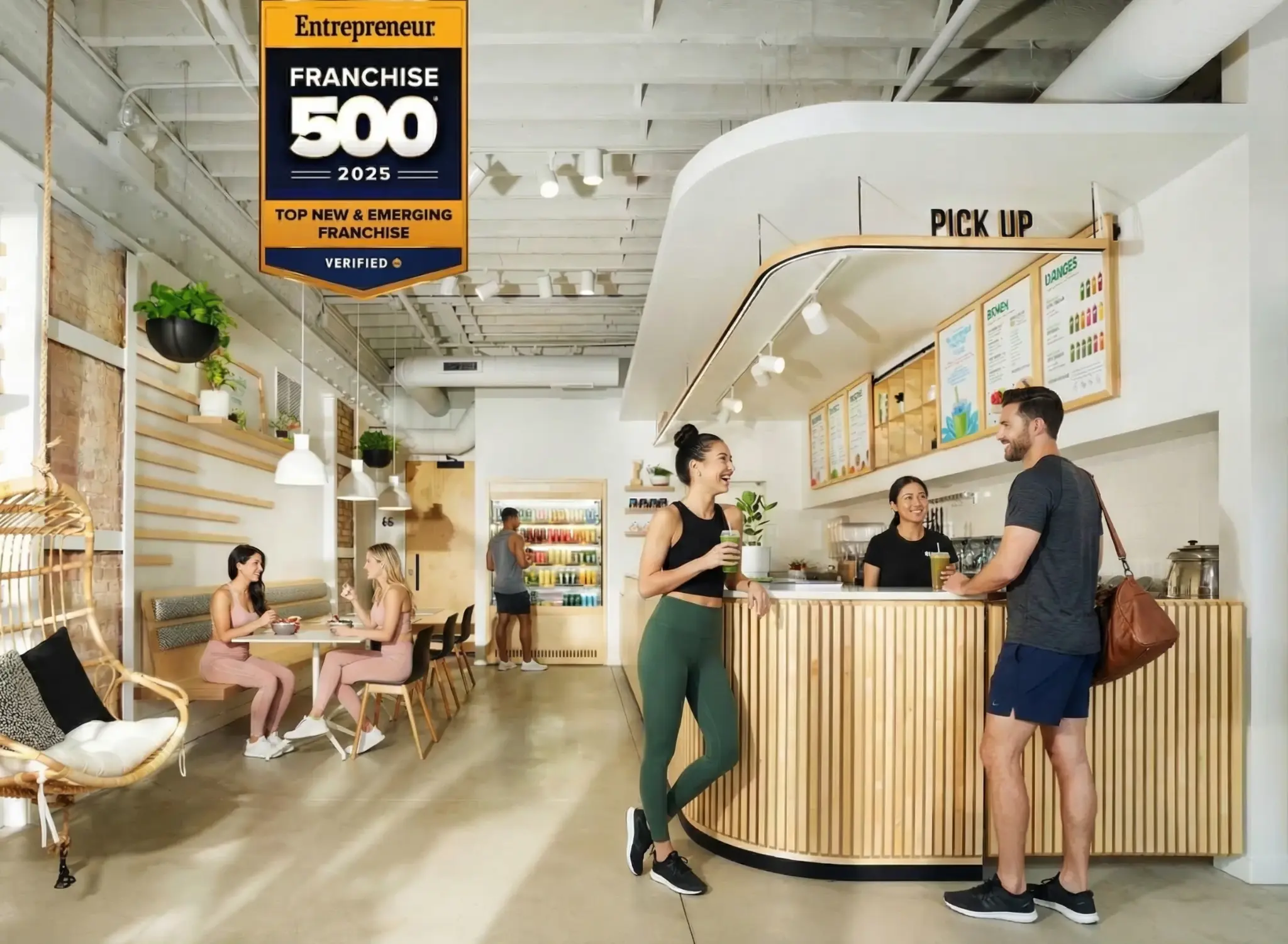
Juice Bar Franchise: Everything You Need to Know Before You Invest
The juice bar franchise market is experiencing unprecedented growth, driven by a global shift towards healthier lifestyles and increased consumer awareness of nutritional benefits. For entrepreneurs looking to tap into a thriving industry, a juice bar franchise offers a compelling opportunity. Ross Franklin, founder of Pure Green, shares his insights into navigating this dynamic landscape, covering everything from initial investment to operational strategies that ensure long-term success.
$500B+
Global Wellness Market by 2025
10%+
Annual Growth in Healthy Food Sector
70%+
Consumers Prioritizing Health & Wellness
Table of Contents
What Is a Juice Bar Franchise
A juice bar franchise is a business model where an individual (franchisee) operates a juice bar under the established brand, systems, and support of a larger company (franchisor). This arrangement provides a proven business concept, brand recognition, operational guidelines, and ongoing assistance, significantly reducing the risks associated with starting an independent business. The franchisee benefits from collective marketing efforts, supply chain efficiencies, and a pre-existing customer base, making it an attractive option for those new to entrepreneurship or the food and beverage industry.
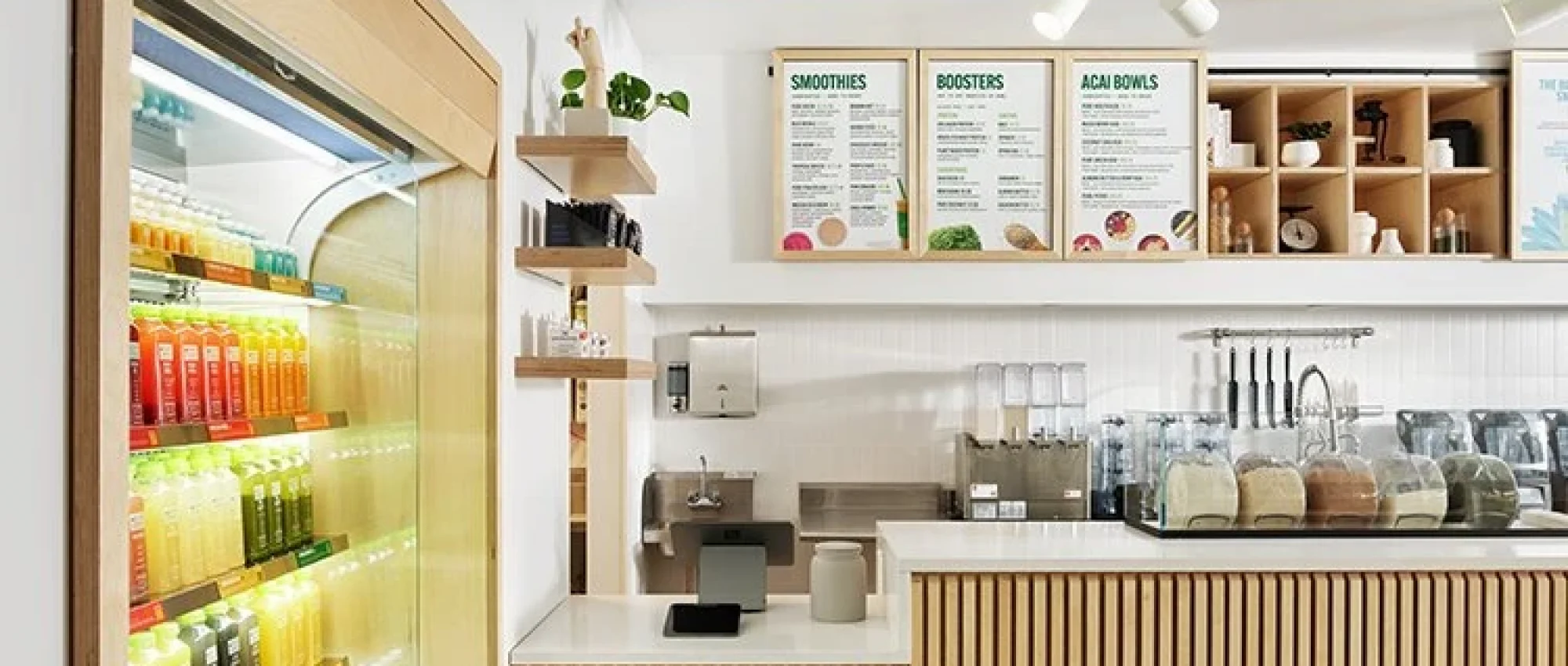
The core offering typically includes freshly squeezed juices, smoothies, acai bowls, and other health-focused food items. The appeal lies in convenience and the perceived health benefits, catering to a growing demographic of health-conscious consumers. Understanding the intricacies of this model is the first step towards a successful venture. For more details on franchising in general, visit the International Franchise Association (IFA).
Statistic: The global juice and smoothie bar market size was valued at USD 20.9 billion in 2022 and is expected to grow at a compound annual growth rate (CAGR) of 9.5% from 2023 to 2030. (Source: Grand View Research)
The Juice Bar Market in 2025
The juice bar market continues its robust expansion into 2025, fueled by sustained consumer demand for convenient, healthy food and beverage options. Trends indicate a strong preference for organic ingredients, plant-based alternatives, and functional beverages that offer specific health benefits like immunity boosting or detoxification. This market resilience is also driven by innovative product development and strategic marketing that aligns with wellness trends. The competitive landscape is evolving, with a focus on unique menu offerings and enhanced customer experiences.
Geographically, urban centers and health-conscious communities remain hotspots for juice bar proliferation, but suburban expansion is also notable as wellness trends become more mainstream. The market is also seeing a rise in technology integration, from online ordering systems to loyalty programs, enhancing customer engagement and operational efficiency. Understanding these market dynamics is crucial for any prospective franchisee. For deeper market insights, explore reports from the Global Wellness Institute.
Statistic: Consumer spending on health and wellness products and services reached $4.9 trillion globally in 2023, with a significant portion allocated to healthy eating. (Source: McKinsey & Company)
Juice Bar Franchise Costs
Investing in a juice bar franchise involves several financial components. The initial franchise fee, which grants you the right to use the brand name and business model, is typically a one-time payment. Beyond this, significant capital is required for leasehold improvements, equipment purchases (juicers, blenders, refrigeration), initial inventory, signage, and technology systems. Working capital is also essential to cover operating expenses during the initial months before the business reaches profitability. These costs can vary widely based on the brand, location, and size of the franchise unit.
Prospective franchisees must also account for ongoing royalties, which are usually a percentage of gross sales, and marketing fund contributions. These fees support the franchisor's continuous brand development and advertising efforts. A thorough review of Item 7 of the Franchise Disclosure Document (FDD) will provide a detailed breakdown of all estimated initial investment costs. For guidance on financing, consider resources from the U.S. Small Business Administration (SBA).
Statistic: The average initial investment for a juice and smoothie bar franchise can range from $150,000 to $450,000, excluding real estate. (Source: Franchise Direct)
"The true measure of a successful juice bar franchise isn't just about the juice; it's about cultivating a community around health and wellness, one delicious, nutrient-packed drink at a time." - Ross Franklin
Revenue and Margin Drivers
Maximizing revenue and optimizing margins are critical for the success of any juice bar franchise. Key revenue drivers include high customer traffic, effective upselling and cross-selling of complementary products (like supplements or healthy snacks), and the implementation of loyalty programs. Strategic pricing, seasonal menu offerings, and catering services can also significantly boost sales. Understanding your target demographic and tailoring your offerings to their preferences is paramount.
On the margin side, efficient inventory management to minimize waste, negotiating favorable supplier contracts, and optimizing labor costs are essential. Franchisors often provide guidance on these aspects, leveraging their collective buying power and operational expertise. The ability to maintain consistent product quality while controlling costs directly impacts profitability. For insights into industry benchmarks, refer to business analysis reports from IBISWorld.
Statistic: Food and beverage franchises typically aim for gross profit margins between 60-80% on menu items, with net profit margins ranging from 10-20% for well-managed operations. (Source: Franchise Business Review)
How to Choose the Right Juice Bar Franchise
Selecting the right juice bar franchise requires careful consideration and due diligence. Begin by evaluating the franchisor's reputation, track record, and financial stability. Look for brands with strong market presence, a clear brand identity, and a robust support system for franchisees. Assess the training programs, marketing assistance, and ongoing operational guidance provided. It's also vital to speak with existing franchisees to gauge their satisfaction and profitability.
Consider the uniqueness of the menu, the quality of ingredients, and the overall customer experience offered by the brand. A franchise that aligns with your personal values and business goals will likely lead to greater long-term satisfaction and success. Ross Franklin emphasizes the importance of a brand's mission and its ability to resonate with consumers. Learn more about Pure Green's mission and values.
Statistic: 85% of prospective franchisees consider the franchisor's reputation and support system as critical factors in their decision-making process. (Source: FranNet)
Site Selection and Real Estate
The location of your juice bar franchise is arguably one of the most critical determinants of its success. High visibility, easy accessibility, and proximity to target demographics (e.g., gyms, corporate offices, residential areas) are paramount. Franchisors often provide extensive support in site selection, leveraging demographic data, traffic patterns, and competitive analysis to identify optimal locations. Understanding lease terms, build-out requirements, and local zoning laws is also crucial.
Negotiating favorable lease agreements and managing the build-out process efficiently can significantly impact initial costs and long-term profitability. A well-chosen site can dramatically reduce marketing expenses and accelerate customer acquisition. Ross Franklin has extensive experience in real estate and site selection for Pure Green. For general real estate advice, consider publications like Forbes Real Estate.
Statistic: A prime location can increase a retail business's revenue by 20-30% compared to a suboptimal one. (Source: National Retail Federation)
Operations and Staffing
Efficient operations and a well-trained, motivated staff are the backbone of a successful juice bar franchise. This includes streamlined order processing, consistent product preparation, stringent hygiene standards, and exceptional customer service. Franchisors typically provide detailed operational manuals and training programs to ensure consistency across all locations. Implementing effective inventory control systems and managing waste are also key to maintaining healthy profit margins.
Hiring the right team, fostering a positive work environment, and providing ongoing training are essential for delivering a superior customer experience. Employee retention can significantly impact operational efficiency and customer loyalty. Ross Franklin emphasizes the importance of systems and processes in scaling a franchise. For staffing best practices, refer to industry leaders like Entrepreneur Magazine's operations section.
Statistic: Businesses with highly engaged employees show 21% greater profitability. (Source: Gallup)
FAQ
What is the typical initial investment for a juice bar franchise?
Initial investments for a juice bar franchise can range significantly, typically from $150,000 to $450,000. This includes franchise fees, build-out costs, equipment, initial inventory, and working capital. Factors like location, size of the unit, and brand prestige heavily influence the total cost. It's crucial to review the Franchise Disclosure Document (FDD) for a detailed breakdown of all expenses.
How profitable is a juice bar franchise?
Profitability varies widely based on location, operational efficiency, marketing efforts, and the strength of the brand. Successful juice bar franchises can achieve strong profit margins, especially with high-volume sales and effective cost management. Many established brands report average unit volumes (AUVs) that can lead to healthy returns on investment within a few years. However, potential franchisees should conduct thorough due diligence and analyze Item 19 of the FDD for financial performance representations.
What are the key factors for success in a juice bar franchise?
Key success factors include a prime location with high foot traffic, strong brand recognition and marketing support from the franchisor, efficient operational systems, high-quality ingredients, excellent customer service, and a diverse menu that appeals to health-conscious consumers. Effective management of inventory and labor costs is also paramount.
Do I need prior experience to open a juice bar franchise?
While prior experience in food service or business management can be beneficial, many reputable juice bar franchises offer comprehensive training programs that equip new franchisees with the necessary skills. Franchisors typically look for individuals with strong leadership abilities, a passion for health and wellness, and a commitment to following the proven business model. Always check the specific requirements of the franchise you are interested in.
What kind of support can I expect from a juice bar franchisor?
A good juice bar franchisor provides extensive support, including site selection assistance, lease negotiation guidance, store design and build-out support, initial and ongoing training, marketing and advertising programs, supply chain management, and operational manuals. They also offer continuous support through field consultants and regular communication to help franchisees succeed.
Ready to Explore a Juice Bar Franchise Opportunity?
If you're passionate about health and wellness and ready to invest in a thriving business, a Pure Green franchise might be the perfect fit. Learn more about our proven model, comprehensive support, and how you can become part of one of the fastest-growing wellness brands.
Discover Pure Green Franchise OpportunitiesFound this useful? Follow Ross on LinkedIn for weekly insights on franchise growth, brand strategy, and wellness entrepreneurship.