Why Systems Come Before Scale
The most dangerous moment in any franchise system's life is when growth outpaces infrastructure. You open a second location before your operations manual is complete. You sign a third lease before your training program is repeatable. You recruit franchisees before your marketing playbook is documented. The result is chaos — and chaos at scale is catastrophic.
According to the International Franchise Association's Franchise Business Outlook, there are over 800,000 franchise establishments in the United States. The brands that reach 100, 200, and 500+ locations share one common trait: they built their systems before they needed them. They didn't react to growth — they designed for it.
At Pure Green Franchise, we learned this lesson firsthand. The systems we built in the early years — before the pressure of rapid expansion — became the foundation that allowed us to scale to 200+ locations while maintaining quality and franchisee satisfaction. This article breaks down the five systems every franchise must build before scaling, and how each one compounds over time.
"You can't scale chaos. The brands that win at 200 locations are the ones that built the systems for 200 locations when they only had 10."

Operations: The Foundation of Everything
Your operations system is the DNA of your franchise. It is the documented, repeatable set of processes that defines how your business runs — from opening procedures and product preparation to customer service standards and closing checklists. Without a complete, tested operations system, every new location you open is a gamble.
A franchise operations manual is not a document you create once and file away. It is a living system that evolves as you learn what works and what doesn't. Franchise development experts consistently identify a strong, documented operations system as the single most important prerequisite for multi-unit expansion.
The test of a great operations system is simple: can your business run at the same standard when you are not there? If the answer is no, you are not ready to scale. The goal is to build a system so complete and clear that any qualified operator can execute it consistently — regardless of location, market, or team composition.
Training: Replicating Excellence at Scale
Your training system is how you replicate excellence. It is the mechanism by which your operations system gets transferred from a document into the hands and minds of every franchisee, manager, and team member in your network. A great operations manual without a great training system is just a book no one reads.
Effective franchise training has three layers: initial franchisee training (before opening), pre-opening team training (in the weeks before launch), and ongoing training (continuous education for existing operators and staff). Research consistently shows that franchisees who complete comprehensive initial training programs outperform those who receive minimal onboarding — often by a significant margin in their first year.

The goal of your training system is to make excellence the default, not the exception. When your training is strong, your best performers aren't outliers — they're the norm. This is what makes scaling possible without sacrificing quality. For more on the operational side of opening a new location, see the complete guide to opening a juice bar franchise.
Marketing: Building a Brand That Scales
Marketing in a franchise system operates on two levels simultaneously: national brand building and local market activation. Your marketing system must support both — providing franchisees with the tools, assets, and playbooks they need to drive traffic in their specific market, while maintaining the brand consistency that makes the national brand valuable.
The IFA's franchise marketing guidelines emphasize that the most successful franchise marketing systems balance central brand control with local flexibility. Franchisees need to feel empowered to market in their community — but within a framework that protects the brand. The tension between these two imperatives is one of the defining challenges of franchise marketing at scale.
A marketing system that scales is one that makes it easy for franchisees to do the right thing and hard to do the wrong thing. The more turnkey your marketing toolkit, the more consistently your brand shows up in every market — and the more valuable the brand becomes for every franchisee in the system. This is a core principle explored in depth in The Founder Success Formula.

Real Estate: Location Is a System, Not a Decision
Real estate is the most consequential decision in any brick-and-mortar franchise. A great location in a strong market with favorable lease terms can make an average operator successful. A poor location with unfavorable economics can make an excellent operator struggle. This is why real estate cannot be treated as a one-off decision — it must be a repeatable system.
Your real estate system should define your ideal site criteria — the specific demographic, traffic, co-tenancy, and physical characteristics that predict success in your concept. It should include a site evaluation process, a lease negotiation framework, and a build-out specification that can be executed consistently across markets. Scalable franchise plans require standardized real estate processes that remove subjectivity from one of the highest-stakes decisions in the system.
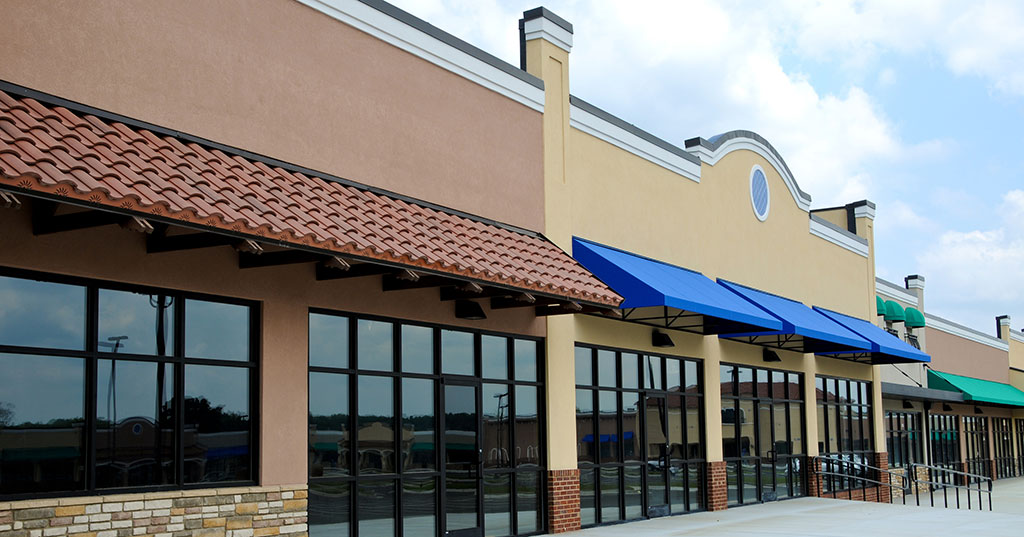
The best franchise operators treat real estate as a competitive advantage, not a cost center. When you have a disciplined, data-driven site selection process, you can move faster than competitors, negotiate better terms, and open locations with higher probability of success. This is one of the core systems we discuss with prospective franchisees at Pure Green.
Franchise Development: Recruiting the Right Partners
Franchise development — the process of recruiting, qualifying, and awarding franchises — is the system that determines the quality of your network. Every franchisee you bring into your system becomes a representative of your brand. The wrong franchisee in the wrong market with the wrong expectations will cost you far more than the franchise fee you collected.
A disciplined franchise development system starts with a clear franchisee profile — the specific characteristics, backgrounds, and capabilities that predict success in your system. It includes a structured discovery process, a rigorous qualification framework, and a validation process that connects candidates with existing franchisees. The FTC's Franchise Rule requires disclosure of material information through the Franchise Disclosure Document (FDD) — but the best development systems go far beyond legal compliance to ensure genuine alignment between franchisor and franchisee.
"The franchisee selection process is the most important quality control mechanism in your entire system. Every bad franchisee you award is a problem you will spend years managing. Every great franchisee you award is an asset that compounds."
Your development system should also include a territory strategy — a data-driven approach to market prioritization that identifies where to grow, in what sequence, and with what density. Random geographic expansion creates operational inefficiencies and marketing dilution. Strategic territory development creates regional density that strengthens brand awareness, reduces support costs, and creates peer networks among franchisees. For a deeper look at the financial side of franchise investment, see Juice Bar Franchise ROI: What to Expect in Your First 3 Years.
How the 5 Systems Work Together
The five systems are not independent — they are deeply interconnected. Your operations system informs your training system. Your training system enables your marketing system to be executed consistently. Your real estate system determines the physical context in which your operations and marketing play out. And your development system determines the quality of the operators executing all of the above.
When all five systems are strong and aligned, the franchise system becomes self-reinforcing. Great operators in great locations with great training and great marketing tools produce great results — which attracts more great operators, which strengthens the brand, which improves real estate leverage, which raises the quality of the entire system. This is the compounding effect that separates franchise systems that reach 500+ locations from those that plateau at 20.
| System | Core Purpose | Scale Readiness Signal |
|---|---|---|
| Operations | Define how the business runs | Business performs consistently without founder present |
| Training | Replicate excellence across locations | New hires reach competency in ≤30 days |
| Marketing | Build brand and drive traffic at every location | Franchisees can execute local marketing independently |
| Real Estate | Identify and secure winning locations | Site criteria documented; lease framework established |
| Development | Recruit and qualify the right franchisees | Franchisee profile defined; discovery process structured |
The Forbes analysis of successful franchise brand growth confirms what we have seen firsthand: the brands that scale successfully are not the ones with the best products or the most aggressive growth targets. They are the ones with the most complete, most consistent, and most scalable systems. The product is the entry ticket. The systems are the competitive moat.
If you are evaluating whether your franchise system is ready to scale — or if you are considering joining a franchise system that is in growth mode — the five systems framework is your diagnostic tool. Ask hard questions about each one. The answers will tell you everything you need to know. Explore more on the wellness franchise opportunity and why the market fundamentals have never been stronger.
Ready to Build Your Franchise Systems?
Pure Green Franchise has built all five systems over 20+ years of operational experience. If you are serious about franchise ownership in the wellness space, explore what we have built — and what it means for your investment.